Breaking into international markets isn’t just about translating a product; it’s about understanding entirely new cultures, adapting your brand, and genuinely connecting with a global audience.

Believe me, I’ve seen countless brilliant ideas stumble right out of the gate because they missed that crucial nuance. It’s a fascinating challenge, really, and one that many companies, big and small, are grappling with as our world becomes increasingly interconnected through digital platforms and streaming services.
The landscape is constantly shifting, with AI-driven analytics helping us pinpoint trends, but ultimately, genuine human connection and cultural empathy remain king.
From my perspective, predicting which local gems will truly shine on the global stage feels like a superpower, and when you see it happen, it’s nothing short of inspiring.
It makes you wonder what secret sauce they’ve got, doesn’t it? The ability to captivate audiences across continents is a testament to incredible strategy and a deep understanding of what resonates universally.
It’s definitely a hot topic for anyone looking to make a splash beyond their home turf in the years to come, especially with content becoming so easily accessible worldwide.
You know, there’s this adorable little character, a sausage named Coccomong, who originally hails from Korea. When I first encountered Coccomong years ago, I honestly wasn’t sure how well a talking sausage from a refrigerator world would translate globally.
But boy, was I wrong! It’s been an absolute masterclass in how to bridge cultural gaps and capture hearts far and wide, successfully navigating the complex world of international licensing and merchandising.
How did this charming character manage to become a beloved household name in so many diverse markets? Let’s dive in and find out exactly how this animated delight conquered the world, and what incredibly smart moves were made along the way.
Cultivating an Irresistible Universal Appeal
You know, when a character or a brand truly clicks with people across different continents, it’s not just luck; it’s a stroke of genius in understanding what makes us all tick, deep down. I’ve seen so many brilliant concepts that were huge successes in their home market totally flounder when they tried to go global, and usually, it’s because they didn’t quite nail that universal appeal. It’s like trying to tell a joke in a different language – sometimes it just loses its sparkle in translation. But then you encounter something genuinely magical, something that instantly feels familiar and heartwarming, no matter where you grew up. It’s all about creating something that resonates with fundamental human emotions, something that can bridge those cultural gaps without losing its original charm. Believe me, crafting that kind of connection is much harder than it looks, but when it’s done right, the results are simply astounding. It makes you wonder how they manage to capture such a diverse range of hearts, doesn’t it? It’s not about being bland; it’s about finding those universal threads that bind us all, like friendship, adventure, or simply a good laugh.
The Art of Character Design That Transcends Borders
When you’re designing a character, you might think the more unique and culturally specific, the better. And while that’s true to a point for local markets, going global requires a slightly different approach. I’ve noticed that the most successful characters often have elements that are universally recognizable, even if their origins are distinct. Think about simple, expressive faces, relatable body language, or even character archetypes that exist in folklore across the globe. It’s not about stripping away identity, but rather finding ways to communicate personality and emotion without needing a deep dive into a specific cultural context. For example, a cheerful, curious character or a loyal, brave one speaks volumes to kids and adults alike, regardless of their native tongue. I always advise creators to test their designs on diverse focus groups. You’d be surprised what seemingly innocuous details can be misinterpreted or even off-putting in another culture. It’s a delicate balance, but absolutely crucial for that initial connection.
Weaving in Core Values Everyone Can Relate To
Beyond just looks, the true power of a global brand often lies in the values it subtly, or sometimes overtly, champions. Themes like friendship, overcoming challenges, family bonds, environmental awareness, or the importance of kindness are pretty much universally appreciated. I’ve seen content that, at its core, espouses these positive messages achieve phenomenal success, far more than anything overly niche or preachy. When you watch a story, whether it’s animated or live-action, that champions loyalty or perseverance, you feel it in your gut, right? That emotional resonance is priceless. It transcends language barriers and cultural differences because these are emotions and ideals we all strive for and understand. It’s not just about entertainment; it’s about providing content that enriches and inspires, creating a sense of shared humanity. This approach isn’t just good for the soul; it’s incredibly effective for building a loyal, global fanbase that feels a genuine connection to your brand.
Mastering the Local Landscape: Adaptation is Key
Trying to conquer a new market without truly understanding its nuances is like trying to navigate a bustling city without a map – you’re bound to get lost, or at least take a very inefficient detour! I’ve personally witnessed brilliant campaigns that worked wonders in one country fall completely flat in another, simply because they didn’t bother to adjust. It’s not just about translating words; it’s about translating meaning, humor, and cultural references in a way that feels natural and authentic to the local audience. This often means more than just hiring a good translator; it requires a team that truly understands the local pulse, what makes people laugh, what offends them, and what truly resonates with their daily lives. The devil, as they say, is in the details, and those details can make or break your global ambitions. It’s a huge investment, sure, but one that pays dividends by fostering genuine connections rather than just superficial engagement.
Navigating Regional Sensibilities and Preferences
This is where things get super interesting, and sometimes a bit tricky. What’s perfectly normal or even endearing in one culture might be utterly confusing or even inappropriate in another. I recall a client who tried to use a particular color scheme for a children’s product, only to find out that those colors had a very specific, somewhat negative connotation in their target market. Talk about a costly oversight! Researching local customs, traditions, and even superstitions is non-negotiable. It’s about being respectful and showing that you’ve done your homework. Think about food preferences, fashion trends, holiday traditions, and even how families interact. These elements subtly influence how content is received. For instance, humor often varies wildly. What’s hilarious in the UK might just get blank stares in the US, and vice-versa. Understanding these subtle differences is paramount to crafting content that feels like it was made *for* them, not just repackaged.
Language Isn’t Just Translation: It’s Transcreation
When we talk about language in the context of international markets, people often just think of translation. But let me tell you, it’s so much more than that. I’ve learned, sometimes the hard way, that literal translation can strip away all the charm and intention of the original content. What you need is ‘transcreation’ – essentially, recreating the content in the target language while maintaining its original intent, style, tone, and emotional impact. This often involves completely rewriting certain phrases, adapting jokes, or even changing character names if they don’t sound right or have unintended meanings. It’s a creative process that requires deep cultural understanding, not just linguistic fluency. For a children’s character, this might mean adapting songs or dialogue to include local rhymes or common sayings. This meticulous approach ensures that the content feels organic and genuinely appeals to the local audience, making them feel seen and understood.
Building Bridges: Strategic Partnerships and Distribution
You can have the most amazing content in the world, but if nobody sees it, what’s the point? That’s why cracking the code of local distribution and finding the right partners is absolutely critical for any global venture. I’ve seen fantastic brands with incredible potential just languish because they couldn’t get their product in front of the right eyeballs, or worse, they partnered with the wrong people. It’s not enough to just ship your product overseas; you need to navigate local regulations, understand consumer habits, and tap into existing networks that already have a trusted relationship with your target audience. This is where strategic alliances become your secret weapon. They provide not just logistical support but also invaluable insights into market entry and sustained growth. Building these relationships takes time, trust, and a willingness to collaborate deeply.
Forging Alliances with Local Powerhouses
My experience has shown that trying to go it alone in a new country is often a recipe for disaster. Local partners, especially those who are already established “powerhouses” in their respective industries, can be absolute game-changers. They know the market inside and out – the distribution channels, the key players, the regulatory landscape, and crucially, what resonates with the local consumer. Imagine trying to launch a new streaming service in a country where you don’t understand the local telecom ecosystem or the preferred payment methods. A strong local partner can help you overcome these hurdles almost instantly. They might be a major media company, a leading e-commerce platform, or even a well-known merchandising firm. The right partnership can give you instant credibility and access that would take years to build on your own. It’s not just about signing a contract; it’s about building a genuine, mutually beneficial relationship where both parties are invested in shared success.
Unlocking New Channels for Content Delivery
Gone are the days when traditional TV broadcasting was the only game in town for content. Now, the landscape is incredibly diverse, and to truly go global, you need to be everywhere your audience is, which often means being on multiple platforms. This could range from established streaming giants to popular local video platforms, educational apps, or even interactive gaming environments. The key is understanding where your target demographic spends their time and then tailoring your content delivery strategy accordingly. For a children’s character, this might involve localizing mobile games, creating engaging short-form content for social media, or even integrating into educational curricula. I’ve seen companies invest heavily in just one platform, only to miss out on huge segments of their audience. A diversified approach, often facilitated by those local partners, is essential for maximizing reach and ensuring your content isn’t just sitting in a digital vault somewhere.
Beyond the Screen: Engaging Audiences Everywhere
Getting your content seen is one thing, but getting people to truly *engage* with it, to fall in love with your characters, and to make your brand a part of their lives – that’s the real magic! This goes far beyond just passive viewing. It’s about creating an immersive experience that extends into their daily routines and sparks genuine excitement. I’ve always found that the brands that build the deepest connections are the ones that manage to move beyond the screen and interact with their audience in tangible, memorable ways. It’s about building a community, not just a viewership. Think about it: when you feel like you’re part of something, when you can interact with the characters you love, that’s when a brand truly cements its place in your heart. It’s a holistic approach that ensures longevity and fosters true brand loyalty.
The Magic of Interactive Experiences and Events
One of the most powerful ways to build a global following is through interactive experiences. This could be anything from character meet-and-greets at local malls or theme parks to live stage shows, or even virtual reality experiences that allow fans to step into their favorite characters’ worlds. I’ve seen the sheer joy on kids’ faces when they hug their favorite character in person – that’s an experience that leaves a lasting impression and creates lifelong fans. These events generate incredible buzz, provide fantastic photo opportunities, and often go viral on social media, acting as organic marketing machines. For example, hosting a pop-up experience in a major city, allowing fans to interact with the brand, or even sponsoring local community events can be incredibly impactful. It’s about bringing the brand to life in a way that’s tangible and creates a shared memory.
From Digital Buzz to Real-World Connection
In today’s hyper-connected world, the line between digital and physical engagement is wonderfully blurred. Smart brands leverage their online presence to drive real-world interactions, and vice versa. This means creating a cohesive experience where a child might watch an episode, then play a related mobile game, then see a toy of the character in a store, and finally attend a live event. Think about the power of user-generated content, where fans share their own stories, fan art, or even dress up as their favorite characters. Social media isn’t just for announcements; it’s a platform for conversation, for listening to your audience, and for fostering a sense of belonging. I’ve seen campaigns where a simple online challenge or a fan art contest generated massive engagement, translating into real-world discussions and purchases. It’s about creating a rich ecosystem where fans can interact with the brand on multiple levels, making it a truly integrated part of their lives.
The Smart Playbook for Sustainable Growth
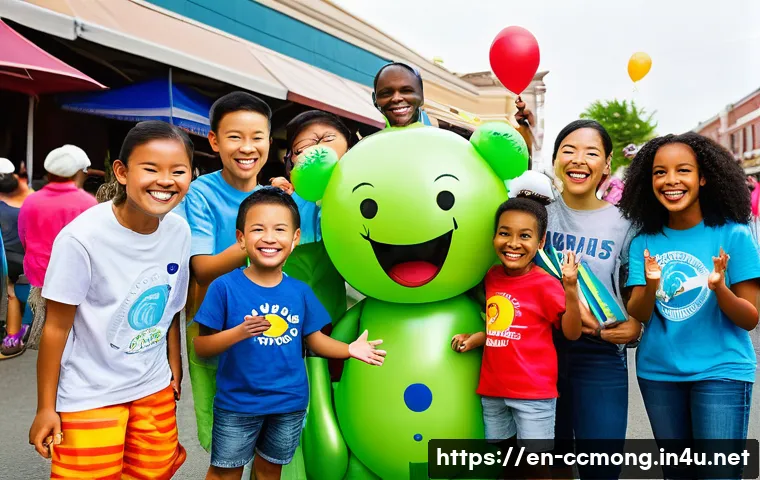
Once you’ve made a splash in international waters, the real challenge begins: how do you keep that momentum going? It’s not enough to just launch and hope for the best; you need a solid, sustainable growth strategy that evolves with the market. I’ve learned that a brand’s longevity in the global arena often hinges on its ability to diversify its revenue streams and protect its intellectual property fiercely. The world is constantly changing, and what worked last year might not work this year, so having a flexible and forward-thinking plan is absolutely non-negotiable. It’s about being proactive, not reactive, and always looking for new opportunities to expand your reach and deepen your audience’s engagement. This strategic long-term vision is what truly separates the fleeting fads from the enduring global icons.
| Strategy Pillar | Key Considerations for Global Growth | Expected Outcome |
|---|---|---|
| Cultural Localization | Adapt content, humor, and references to local sensibilities; utilize transcreation. | Increased audience resonance and deeper engagement. |
| Strategic Partnerships | Identify reputable local distributors, media companies, and licensing agents. | Enhanced market penetration and operational efficiency. |
| Diversified Monetization | Explore merchandising, streaming rights, gaming, live events, and educational content. | Robust and resilient revenue streams. |
| Brand Protection | Secure trademarks, copyrights, and actively monitor for infringement. | Safeguarded intellectual property and long-term brand value. |
| Audience Engagement | Foster community through social media, interactive experiences, and fan events. | Stronger brand loyalty and organic reach. |
Diversifying Revenue Streams Beyond the Obvious
Relying on just one income stream, even a successful one, is incredibly risky in the dynamic global market. I’ve always emphasized the importance of diversification. For a popular character, this could mean moving beyond just television or streaming content. Think about the vast potential in merchandise – toys, apparel, school supplies, home goods, you name it! Then there are licensing opportunities for video games, mobile apps, and interactive digital experiences. Don’t forget about live events like theatrical shows or character appearances, which can generate significant revenue and deepen fan engagement. Educational content, often developed in partnership with local institutions, can also be a huge area. The key is to think broadly about all the touchpoints where your brand can interact with consumers and provide value, turning those interactions into viable business models. It’s about building an entire ecosystem around your brand, not just a single product.
Protecting Your Brand in a Global Marketplace
This is one area where you absolutely cannot cut corners. As soon as your brand starts to gain traction internationally, you immediately become a target for counterfeiters and intellectual property infringers. I’ve heard countless horror stories of brands losing millions because they didn’t properly register their trademarks and copyrights in key markets. It’s a complex legal landscape, varying significantly from country to country, so having expert legal counsel on your side is non-negotiable. You need to actively monitor for unauthorized use of your characters, logos, and content, and be prepared to take swift action. Protecting your brand isn’t just about legal battles; it’s about safeguarding your reputation, your quality standards, and ultimately, your long-term value. It’s an ongoing, vigilant process, but one that is absolutely essential for sustainable global success.
Embracing the Unexpected: Agility in a Changing World
The global market is a constantly swirling, unpredictable beast, and honestly, if you’re not ready to adapt on the fly, you’re going to get left behind. I’ve always been fascinated by how some brands manage to pivot so gracefully when faced with unexpected challenges or shifts in consumer behavior. It’s not about having all the answers upfront, because let’s be real, nobody does! Instead, it’s about building an organization that’s inherently agile, capable of learning from both successes and missteps, and always, always keeping an ear to the ground for emerging trends. The brands that thrive are the ones that see change not as a threat, but as an exciting opportunity to innovate and grow. It requires a certain mindset, a willingness to experiment, and an openness to feedback from across the globe.
Learning from Setbacks and Celebrating Small Wins
Let’s be honest, not every initiative is going to be a roaring success, especially when you’re navigating uncharted international waters. And that’s okay! I’ve found that the truly resilient brands are the ones that view setbacks as valuable learning opportunities, not failures. It’s about analyzing what went wrong, understanding the cultural or operational reasons behind it, and then adjusting your strategy. Don’t dwell on it too long, but definitely extract every lesson you can. Equally important is celebrating the small wins along the way. Did a localized marketing campaign perform better than expected in a niche market? Did a new character voice actor connect particularly well with an audience? Acknowledge these successes, no matter how minor they seem. It builds team morale and provides valuable insights into what’s working, helping you refine your approach and build confidence for bigger challenges.
Staying Ahead of the Curve with Data and Intuition
In today’s data-rich world, ignoring analytics is like driving blind. You absolutely need to be tracking performance metrics – viewership numbers, engagement rates, merchandise sales, social media sentiment – across all your international markets. This data provides invaluable insights into what’s resonating with different audiences and where adjustments might be needed. But here’s the kicker: data alone isn’t enough. You also need to trust your intuition, that gut feeling developed from years of experience and deep cultural immersion. I’ve seen some of the most innovative and successful moves come from a combination of solid data analysis and a brave leap of faith based on a keen understanding of human nature and emerging cultural trends. It’s about finding that sweet spot where logical analysis meets creative foresight, allowing you to anticipate shifts and stay one step ahead of the competition.
글을 마치며
Phew, what a journey we’ve covered today! From understanding the heart of universal appeal to navigating the intricate dance of local cultures and building those crucial partnerships, it’s clear that going global is no small feat. But honestly, watching a brand or character you’ve nurtured connect with someone on the other side of the world, seeing that spark of recognition and joy in their eyes, is one of the most rewarding feelings imaginable. It’s a testament to the power of shared human experience and the incredible magic of well-crafted content. I truly hope these insights help you on your path to creating something truly special that transcends borders and touches hearts everywhere. Keep pushing those boundaries, folks!
알아두면 쓸모 있는 정보
1. Dive Deep into Local Nuances: Never underestimate the power of thorough research into local customs, humor, and sensitivities. What’s funny or appropriate in one culture can be completely off-limits in another. Seriously, a little homework goes a long way in avoiding costly blunders and building genuine connections. It’s about respect, plain and simple.
2. Embrace Transcreation, Not Just Translation: Think of it as reimagining your content for a new audience, not just swapping words. A good transcreator ensures your message, emotions, and cultural references land perfectly, making your content feel like it was born in that market, not just imported. It makes all the difference, believe me.
3. Strategic Partnerships are Your Golden Ticket: Trying to enter a new market alone is incredibly tough. Finding established local partners who understand the lay of the land, from distribution to consumer preferences, can significantly accelerate your growth and provide invaluable insights you simply couldn’t get otherwise. They’re not just partners; they’re your local champions.
4. Diversify Your Engagement and Monetization: Don’t put all your eggs in one basket! Think beyond just one platform or revenue stream. Explore merchandise, games, live events, and educational content. The more ways your audience can interact with and support your brand, the stronger and more resilient your global presence will be. It’s about creating a whole ecosystem.
5. Be Agile and Ready to Pivot: The global landscape is constantly changing, so flexibility is key. Be prepared to adapt your strategies based on new data, emerging trends, and unexpected challenges. View setbacks as learning opportunities and celebrate every small win. This mindset of continuous learning is what keeps you ahead of the curve.
중요 사항 정리
Okay, so if there’s one thing I want you to take away from our chat today, it’s this: building a globally successful brand or character isn’t just about having a great idea. It’s about a deeply human understanding of connection, a respectful immersion into diverse cultures, and a strategic approach to growth. I’ve personally seen how the brands that truly thrive are the ones that genuinely care about their audience, wherever they are in the world. They invest the time and effort into making their content feel authentic and relatable, bridging cultural gaps with universal themes like friendship, adventure, and resilience. This isn’t just good practice; it’s essential for fostering that priceless emotional resonance. When you prioritize genuine connection over just market penetration, you build a loyal community that sticks with you for the long haul. Remember, your audience isn’t just a number; they’re individuals looking for stories and experiences that speak to their hearts.
Frequently Asked Questions (FAQ) 📖
Q: How did Coccomong, a talking sausage from a refrigerator world, manage to charm audiences across so many diverse global markets? What’s the secret sauce to an animated character’s universal appeal?
A: Oh, this is such a fantastic question! When I first heard about Coccomong, I’ll admit I was curious too. A talking sausage?
From a fridge? It sounds so specific, right? But that’s the magic.
From what I’ve seen, and honestly, what makes so many animated characters truly global superstars, is their ability to tap into universal themes and emotions that resonate with everyone, no matter where they live.
Think about it: friendship, overcoming challenges, the joy of discovery – these are feelings we all understand. Coccomong, despite its unique premise, portrays these fundamental human (or, well, sausage-like) experiences in a way that’s simple, visually engaging, and highly relatable.
The character’s exaggerated expressions and movements, a staple in animation, help amplify those emotions, making them instantly recognizable and endearing even without dialogue.
It’s about creating a character with a distinct personality and a compelling story that transcends cultural barriers. It also helps when the visual design is simple and memorable, allowing audiences to easily connect and project their own emotions onto the character.
Coccomong’s journey really showcases how clever storytelling and a strong, relatable character can bridge almost any cultural gap!
Q: Beyond just having a lovable character, what concrete steps do companies need to take to successfully localize an animated series or brand for international markets and avoid cultural missteps?
A: That’s where the real strategic work comes in, and believe me, it’s far more than just translating the dialogue! I’ve seen companies invest heavily, only to falter because they didn’t deeply understand the local nuances.
For a brand like Coccomong to succeed globally, they absolutely had to embrace rigorous cultural adaptation. This means doing your homework – thorough market research into a country’s history, customs, values, and consumer behavior is non-negotiable.
It’s not just about what people say, but how they interact, what colors mean, even how humor is perceived. You’ve got to personalize content for local audiences, which often includes localizing text, images, and videos, ensuring that symbols and cultural references are familiar and respectful.
I often tell people, collaborate with local influencers; they have their finger on the pulse and can offer invaluable insights into what truly resonates.
Using appropriate local marketing channels is also key, as what works on one social media platform in your home country might not be effective elsewhere.
And here’s a big one I’ve personally learned: be ready to continuously monitor feedback and adjust your strategies. International markets are dynamic, and what worked yesterday might not work tomorrow.
It’s an ongoing conversation, not a one-time translation project!
Q: When taking an intellectual property like Coccomong global, what are the biggest challenges companies face, particularly concerning legalities and maintaining creative control across different territories?
A: Ah, the legal labyrinth! This is where things can get incredibly complicated, incredibly fast. From my experience, navigating intellectual property (IP) rights globally is one of the toughest challenges, especially for animated characters that often become massive merchandising machines.
One major hurdle is simply the variability of copyright and trademark laws across different countries. What’s protected in one territory might require entirely different steps in another.
You’re not just protecting the animation itself, but the character design, its name, and even localized names and slogans. I’ve heard horror stories of localized names being preemptively registered by unrelated entities, causing huge headaches and lost rights!
Licensing agreements, especially when you’re working with multiple distributors for different rights (like communication rights versus merchandising rights), need to be crystal clear, leaving no room for ambiguity.
It’s crucial to establish explicit terms for distribution channels, geographical territories, and the nature of cooperation. Otherwise, you risk disputes over character usage, ownership conflicts, and limitations on creative control.
It truly underscores the importance of having solid legal counsel and meticulously drafted contracts from day one to safeguard your brand’s integrity and commercial viability across every single market.