Children’s animation becomes a durable commercial brand when repeatable characters, parent trust, and scalable licensing work together; views alone are not enough.
Cocomong can be evaluated through that lens without assuming unverified revenue, sales, or deal values. For studios, brand owners, and licensing professionals, the key question is whether a character world can travel consistently across content, products, and partnerships.
Educational or family-friendly positioning may help, but it must be supported by clear brand standards and appropriate product choices. The most useful commercial analysis separates audience recognition from the operational ability to manage rights, approvals, distribution, and quality.
At a Glance
- Commercial children’s IP value comes from repeatable characters, trusted positioning, and usable rights—not streaming attention alone.
- Licensing, direct merchandise, and distribution offer different balances of cost, control, speed, and operational risk.
- Any assessment of Cocomong should avoid unsupported claims about revenue, sales, market share, or partnership performance.
| Model | Main Advantage | Main Trade-Off | Best Early Decision Question |
|---|---|---|---|
| Content-only | Focuses resources on audience building and media distribution. | Limited control over product-category expansion. | Is the audience relationship strong enough to support future extensions? |
| Licensing-led | Lets specialized partners make and sell approved products. | Requires clear rights, approvals, and partner oversight. | Can the brand maintain consistency across licensees and territories? |
| Direct-to-consumer merchandise | Provides closer control over product presentation and customer experience. | Requires inventory, fulfillment, quality control, and customer support. | Can the owner handle higher operating responsibility without weakening the brand? |
Why a Children’s Character Brand Can Become More Valuable Than a Single Show
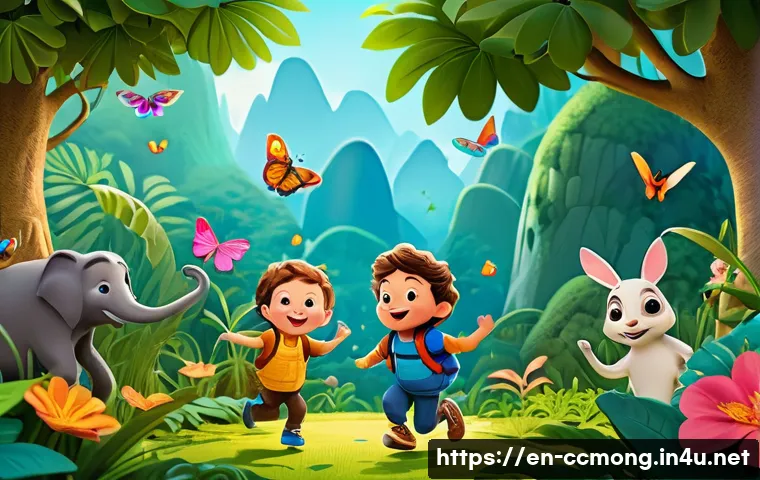
A show can introduce a character, but a commercially sustainable IP needs to work beyond a single episode or platform. The character must remain recognizable in short clips, books, games, apparel, toys, educational materials, and retail displays. That consistency is what gives a rights holder more options when discussing character licensing or media partnerships.
The Difference Between Audience Awareness and Commercial IP Value
Awareness means people recognize a title or character. Commercial value requires more: a defined ownership structure, clear visual assets, product relevance, and a repeatable approval process. A familiar character may still be difficult to license if no one can explain what products fit the brand, who approves artwork, or which markets are available.
Why Repeatable Characters Support Long-Term Licensing Opportunities
Characters with understandable traits, stable visual cues, and recurring story roles are easier for partners to use responsibly. A licensee should not need to invent the character’s identity for every package, product, or campaign. Strong brand guidelines help preserve the tone, color use, personality, and age suitability that parents expect.
Three Factors Parents and Business Partners Both Need to Trust
First, the content should have a clear and age-appropriate identity. Second, products should make sense for the audience rather than simply placing a character on unrelated items. Third, the owner needs reliable approval standards. Parents look for suitability and quality; retailers, distributors, and licensees look for predictable rights management and timely decisions.
The Commercial Model Behind Character-Led Entertainment
Character-led entertainment usually has several possible revenue paths, but they should not be treated as interchangeable. Content distribution builds reach, licensing extends the brand through partners, and direct retail creates a closer relationship with the customer. Each path requires a different operating capability.
Content Distribution, Licensing, and Merchandise as Separate Revenue Paths
Distribution support may help an animation owner place content with appropriate channels or platforms. Licensing can allow approved partners to manufacture products in defined categories and territories. Direct merchandise can give the IP owner tighter control, but it also creates responsibility for suppliers, inventory planning, shipping, returns, and customer service.
Comparison Table: Content-Only, Licensed Products, and Direct Retail Models
The practical comparison is not simply “which model earns more.” It is which model matches the owner’s resources. A studio with limited product operations may prefer to strengthen distribution before committing to physical goods. A mature brand with documented style guides and legal clarity may be better prepared to compare licensing consultants, retail partners, or merchandise suppliers.
When a Smaller Audience Can Still Create Meaningful Brand Value
A smaller audience may still matter if it is clearly defined and highly aligned with a product category, learning theme, or family routine. For example, a focused audience can be useful when the character’s educational positioning, visual identity, and product fit are easy to explain. The important point is not to equate audience size with licensing readiness.
Evaluating Cocomong’s Brand Strength Without Guessing Revenue
Cocomong’s commercial potential can be discussed as a brand-building case without claiming verified revenue, product sales, viewing figures, or deal values. The useful analysis focuses on whether the character system appears capable of supporting multiple uses while keeping a coherent identity.
Character Design, Recognizable Themes, and Product-Category Fit
When reviewing a children’s brand, ask whether its characters are recognizable at small sizes and across different formats. Then ask whether likely product categories support the story world naturally. Books, activity products, apparel, toys, and digital experiences each require different creative treatment. A good fit is one that feels consistent with the brand rather than merely available for sale.
Educational and Family-Friendly Positioning as a Partnership Advantage
Family-friendly positioning can make a brand easier to present to certain partners, provided the actual content and marketing materials support that positioning. It may also shape which distribution channels, retail environments, and licensing categories are appropriate. This is a positioning advantage, not proof of commercial results.
Signals to Review Before Calling Any Children’s Franchise Commercially Successful
Look for documented rights ownership, consistent character materials, a defined approval workflow, sensible category planning, and partners whose capabilities match the brand’s stage. Do not rely on broad labels such as “leading” or “fast-growing” without independent evidence. Commercial success should be measured with verified documentation, not assumed from visibility.
Licensing, Merchandising, and Distribution: Practical Execution Risks
Expansion can add value, but it also adds decisions that can damage a children’s brand if handled loosely. The most important protection is a clear process before products or territory deals are announced.

Trademark, Territory, and Approval-Process Checks Before Expansion
Before discussions move forward, confirm trademark status, ownership records, territory definitions, category rights, contract duration, and renewal terms. The approval process should identify who reviews concepts, packaging, marketing copy, and final samples. Trademark services and qualified legal advisers can help owners understand what must be verified in the relevant market.
Product Safety, Quality Control, and Age-Appropriate Marketing Considerations
Children’s products require careful supplier selection and compliance review. Product safety obligations can vary by product type and market, so a character owner should not assume that a manufacturing partner has addressed every requirement. Quality control also includes packaging, instructions, online listings, and whether promotional claims are suitable for the intended age group.
Common Mistakes: Too Many Product Categories, Weak Brand Guidelines, and Unclear Rights
Expanding into too many categories too quickly can make the brand feel unfocused. Weak guidelines invite inconsistent character use. Unclear rights can delay deals or create conflict between distributors, agents, and manufacturers. A smaller number of well-managed partnerships is often easier to evaluate than a broad list of poorly defined opportunities.
Which Growth Path Fits Different Children’s IP Owners?
The right path depends on the owner’s current assets, not on a universal formula. A studio should choose the next commercial step that it can support with clear materials and responsible operations.
New Studios Seeking Distribution Before Merchandise Investment
New studios may benefit from concentrating on content quality, audience understanding, and distribution support before funding a complex merchandise operation. During this stage, prepare a rights inventory, character bible, visual asset library, and basic brand approval rules. These materials can make later conversations with licensing agents more efficient.
Established Brands Considering Licensing Agents or Retail Partners
Established brands can compare licensing consultants or agents based on category knowledge, territory coverage, reporting practices, retailer relationships, approval support, and conflict policies. The strongest proposal is not automatically the broadest one. It should explain how the partner will protect the brand while pursuing practical opportunities.
When Direct-to-Consumer Products May Justify Higher Operating Costs
Direct-to-consumer merchandise may be worth considering when the owner wants close control over product bundles, brand storytelling, and customer feedback. However, it also requires dependable merchandise suppliers, fulfillment capability, product quality checks, and clear customer communication. Higher control should be weighed against higher operational exposure.
Selection Criteria and Comparison Summary for Commercializing Children’s IP
Before choosing a licensing partner, distributor, trademark service, or merchandise supplier, check these points: rights clarity, relevant category experience, territory coverage, approval workflow, reporting expectations, and brand-safety standards. Compare proposals on cost, control, speed, and the support actually included. Ask who owns customer data, who handles quality issues, and how products or marketing materials are approved. Official service pages and detailed contract terms are the right places to confirm scope, exclusions, and responsibilities before making a commitment.
Conclusion
Cocomong is best examined as an example of how children’s animation can potentially extend into a broader character business. The durable lesson is not that every visible show should launch merchandise. It is that content, licensing, and retail need a shared brand system. Owners who verify rights, choose suitable partners, and protect age-appropriate standards are in a stronger position to build responsibly.
Useful Information to Keep in Mind
1. A style guide is a commercial tool, not just a design document.
2. Distribution reach and product readiness are separate questions.
3. Licensing can reduce operating burden, but it does not remove oversight duties.
4. Product-category fit should be tested before broad expansion.
5. Clear approval rules can protect both the character and the partner relationship.
Important Notes
This analysis does not state verified revenue, profit, licensing values, product sales, viewing figures, market share, or the contribution of any specific Cocomong partnership or channel. Those details require reliable, independent documentation. Trademark, product safety, territory rights, and contract obligations should be confirmed for the relevant jurisdiction and product category before commercial action is taken.
Frequently Asked Questions
Q1. What makes a children’s animation brand commercially successful beyond streaming views?
A1. It needs more than recognition. Useful commercial signals include repeatable characters, clear ownership, product-category fit, consistent guidelines, parent-appropriate positioning, and a workable approval process for partners.
Q2. Is licensing usually a better option than producing merchandise in-house for a character brand?
A2. Not always. Licensing can reduce direct manufacturing and fulfillment responsibilities, while in-house merchandise offers closer control. The better choice depends on budget, internal operations, rights readiness, quality-control capacity, and the desired customer relationship.
Q3. What should a studio check before hiring a licensing agent or signing a distribution deal?
A3. Check territory and category coverage, rights ownership, approval procedures, reporting terms, brand-safety standards, conflicts with other clients, and responsibilities for marketing or product support. Review detailed terms with appropriate professional advice where needed.