Official Cocomong merchandise should clearly identify the product, seller, and licensing or rights-holder information before you buy. If those details are missing, compare another retailer or contact the seller before placing an order.
Cocomong collaborations may appear in toys, apparel, food promotions, books, learning products, and retail campaigns, but active partnerships can differ by country and change over time.
For families, the best choice depends on age guidance, materials, intended use, and return support. For retailers and small businesses, licensing details, supply terms, and customer service matter as much as the character design.
At a Glance
- Official-looking artwork alone is not enough: check packaging, seller details, and licensing information.
- Compare Cocomong products by intended use, age guidance, materials, return terms, and retailer support.
- For commercial inventory or promotions, confirm territory, authorization, supply conditions, and licensing contacts before committing.
| Product Type | Best Use | Verification Signals | Questions for the Retailer | Value Considerations |
|---|---|---|---|---|
| Toys and play sets | Gifts and everyday play | Clear product label, age guidance, seller identity | What is included? Are safety details shown? | Materials, durability, replacement or return support |
| Books and learning products | Reading, activities, and routine learning | Publisher or distributor information, complete product description | Is the edition and language clearly listed? | Content format, usability, and suitability for the child |
| Apparel and tableware | Daily use and practical gifts | Material details, care information, sizing or dimensions | Can unopened or unused items be returned? | Fit, washability, materials, and return conditions |
| Food or retail promotions | Limited campaigns and customer engagement | Official campaign details and participating seller information | Where does the promotion apply and what are the conditions? | Availability, campaign terms, and customer communication |
What Counts as a Cocomong Collaboration?
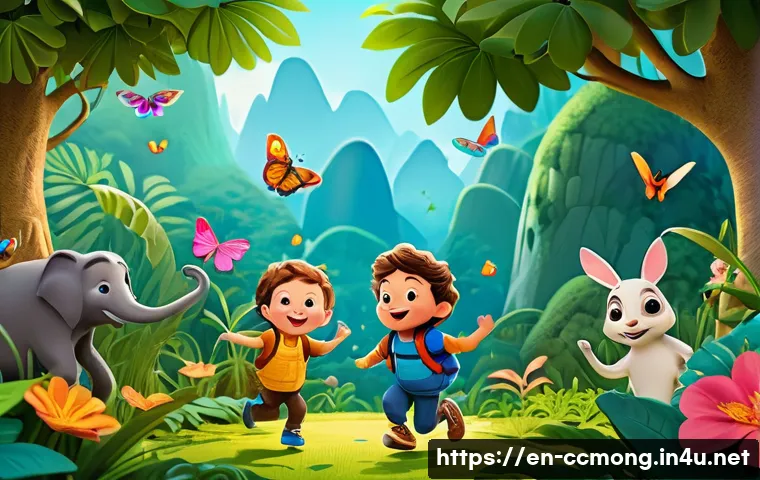
A Cocomong collaboration can take several forms. It may be licensed merchandise, such as a toy, shirt, book, or tableware item carrying approved character artwork. It may also be a retail promotion, a co-branded campaign, or a learning product developed with a business partner. The format matters because each type has different buying and verification points.
Licensed Merchandise, Retail Promotions, and Co-Branded Campaigns
Licensed merchandise is usually designed for direct sale. A retail promotion may be temporary and tied to a particular seller, location, or purchase condition. A co-branded campaign may involve packaging, events, rewards, or themed customer communication. Do not assume that a product or campaign is active simply because a character image appears online; current authorization and territory may need confirmation.
Why Official Partnership Details Matter to Buyers and Retailers
For buyers, clear details can make it easier to compare product information, seller support, and return options. For retailers, unclear rights can create avoidable customer-service issues. Before listing character-branded inventory or planning a promotion, ask who supplies the product, what market it is intended for, and whether the seller can provide relevant licensing or distribution information.
How to Verify Whether a Product Is Officially Licensed
The safest approach is to look beyond the product image. Check whether the listing provides a consistent product name, seller identity, packaging information, age guidance where relevant, and a clear return policy. A reliable listing gives you enough information to make a comparison without guessing.
Product Packaging, Seller Information, and Rights-Holder Details to Check
Start with the packaging and listing description. Look for a manufacturer, importer, publisher, distributor, or other identifiable business information. Check whether the item description explains materials, dimensions, care instructions, included parts, or intended age group when those details matter. If licensing or rights-holder information is shown, make sure it matches the product and seller context rather than appearing as a vague claim.
When shopping through a marketplace, review the individual seller, not only the platform. Compare the item description with the seller’s return conditions and customer-service contact details. For a higher-value purchase or a bulk order, asking a direct question before ordering is usually more useful than relying on photos alone.
Warning Signs of Unclear or Unofficial Listings
Be cautious when a listing uses character images but provides little else. Missing product dimensions, unclear materials, no age guidance for a children’s item, inconsistent product photos, or absent seller details are all reasons to pause. Another warning sign is a description that makes broad “official” claims without explaining who is selling or distributing the item.
These signs do not automatically prove that a listing is unauthorized. They do mean that the buyer has less information for evaluating product value, safety information, and return support. If the listing is unclear, choose a retailer that provides fuller details or request clarification before checkout.
Compare Cocomong Product Categories Before You Buy
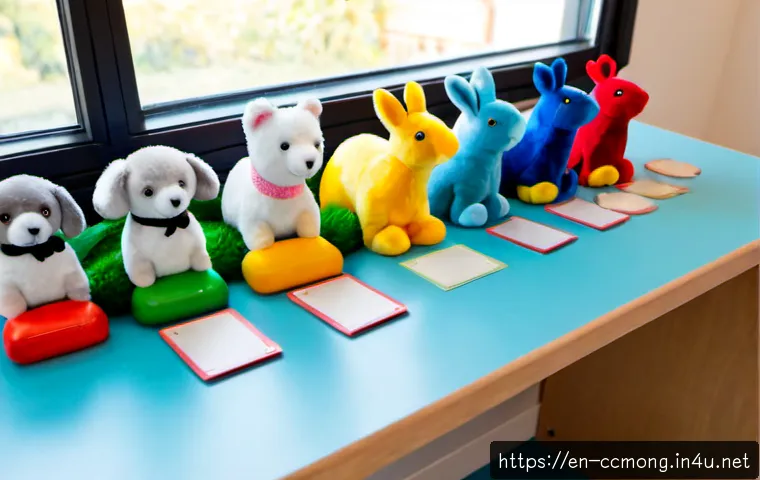
Different Cocomong product categories solve different needs. A character toy may be chosen for play, while apparel may be a practical gift, and a book or learning product may be selected for a routine activity. Compare the item based on how it will actually be used, not only on the character design.
Toys, Books, Apparel, Tableware, and Educational Items
For toys, review the stated age range, included pieces, materials, and storage needs. For books and educational products, check the language, format, and whether the activity suits the child’s current interests. For apparel, confirm sizing, fabric information, and care instructions. For tableware or everyday-use items, focus on material details, dimensions, cleaning guidance, and whether the product description answers practical questions.
A Cocomong-themed item can be a thoughtful kids’ gift when the product type matches the child and the occasion. A familiar character may add appeal, but age appropriateness and product information come first.
Value Factors: Materials, Age Guidance, Delivery, Returns, and Bundle Pricing
A higher-priced licensed item may offer better value when it gives clearer material information, useful age guidance, dependable seller support, or easier returns. That does not mean every higher-priced product is automatically the better choice. Compare what is included, whether a bundle contains items you will use, and whether delivery and return terms are clearly explained.
Before ordering, compare the final product details rather than focusing only on a promotional image. A lower-priced listing with vague information can be harder to evaluate than a listing with complete specifications and responsive retailer support.
Buying and Stocking Considerations for Families and Small Retailers
Families and businesses approach character merchandise differently, but both benefit from a simple checklist. Families need an appropriate, usable product. Small retailers need clear supply information and a realistic plan for customer questions, returns, and inventory handling.
Choosing Gifts and Everyday Products by Child Age and Intended Use
Ask a few practical questions: Is this for play, school, travel, meals, reading, or display? Does the listing provide age guidance? Are the dimensions suitable for the intended use? Is the child likely to need supervision with the item? These questions can narrow a broad selection of character merchandise into a more suitable choice.
For gift buying, consider whether the recipient already has similar products. A practical Cocomong item may be more useful than a larger novelty product, while a book or activity item may work better for a quieter occasion. Check the retailer’s delivery coverage and return terms before ordering for a deadline-sensitive gift.
Inventory, Wholesale, Minimum-Order, and Customer-Service Questions for Sellers

Retailers and small businesses should not assume that character-themed goods can be sourced or promoted under the same conditions in every market. Ask the distributor or supplier about wholesale availability, minimum-order requirements, territory, product documentation, delivery timing, and return procedures. Exact fees, minimums, and licensing terms require direct confirmation from the relevant representative.
If you are considering a promotional partnership rather than simple resale, confirm who controls approval, how artwork may be used, and what customer-facing claims are permitted. A clear paper trail and accurate product descriptions help reduce confusion later.
Common Mistakes When Choosing Character-Branded Products
The most common mistakes happen when buyers treat character artwork as proof of product quality, authorization, or suitability. A careful comparison takes only a few extra minutes and can prevent an unsuitable purchase.
Assuming Every Character Image Is Officially Authorized
Character images can appear in many online listings, but the image itself does not confirm an official partnership. Look for the full seller and product context. If a retailer cannot answer basic questions about the item, its source, or its return policy, consider another option.
Ignoring Safety Labels, Product Dimensions, and Return Conditions
Small details can affect whether a product works for your household or store. Product dimensions help avoid surprises. Age guidance helps with selection. Material and care details matter for daily-use products. Return conditions are especially important for apparel, gift purchases, and bulk inventory orders.
Selection Criteria and Comparison Summary
Before placing an order, compare these points:
- Seller reliability: Is the business identifiable and reachable?
- Licensing details: Does the listing provide clear, consistent information rather than a vague claim?
- Product suitability: Are age guidance, materials, dimensions, and intended use explained?
- Retailer support: Are shipping coverage, return terms, and customer-service options available?
- Commercial fit: For retail or promotional use, are territory, supply, and approval questions answered?
Compare seller support, licensing details, and return terms before ordering. For official guidance or commercial conditions, check the relevant retailer, distributor, or licensing contact page directly.
When to Contact a Retailer, Distributor, or Licensing Representative
Contact the retailer when product details, delivery coverage, returns, or included items are unclear. Contact a distributor when you are evaluating inventory supply or wholesale conditions. Contact the relevant licensing representative when you need authorization for a campaign, character use, or a potential brand partnership. Do not rely on assumptions about active rights, prices, or availability.
Closing Thoughts
Cocomong-branded products can span many useful categories, from gifts and toys to educational items and retail promotions. The best purchase is not simply the one with the most recognizable artwork. It is the one with clear information, an appropriate use case, and seller support that matches your needs. For businesses, confirming rights and supply conditions early is part of responsible planning.
Useful Information to Know
Check the individual listing: marketplace listings can vary by seller, even when the product images look similar.
Keep product details: save descriptions, order confirmations, and return terms for gift or business purchases.
Ask before bulk buying: a supplier should be able to explain ordering, delivery, and support conditions.
Important Notes
Active Cocomong collaborations, merchandising rights, product availability, pricing, safety certifications, delivery coverage, and licensing terms may vary by country, seller, and time. This guide cannot confirm whether a specific listing, promotion, or supplier is officially authorized. Verify relevant details directly with the seller, distributor, or rights-related contact before purchasing or using character assets commercially.
Frequently Asked Questions
Q1. Which brands have officially collaborated with Cocomong?
A1. Active collaborations can vary by country and may change over time. Check official product pages, retailer information, or the relevant licensing contact for confirmation instead of relying on older marketplace listings or social media images.
Q2. How can I tell whether a Cocomong product is officially licensed?
A2. Review the packaging and listing for identifiable seller, manufacturer, distributor, or rights-related details. Also check product specifications, age guidance where relevant, and return terms. If important details are missing, ask the seller or compare a better-documented listing.
Q3. Are Cocomong-branded toys and learning products worth paying more for?
A3. They may be worth more when the higher-priced option provides clearer materials, useful age guidance, stronger durability information, better seller support, or more practical return terms. Compare the actual product details and intended use rather than assuming a higher price guarantees better value.