Ever catch yourself humming the Cocomong theme song long after your kids have moved on to another show? I have! As a parent, those catchy tunes get stuck in your head, but I’ve always been curious about the message they’re trying to send as the episode wraps up.
Is it just a cute goodbye, or is there something more to it? I’ve noticed my little ones often mimic phrases or behaviors they see on screen, so those final moments of a show can be pretty influential.
What exactly are they absorbing? Let’s dive into the analysis below and find out what the end message truly contains.
Alright, let’s get this blog post rolling with a focus on genuine, engaging content that reads like a real person wrote it.
Unpacking the Recurring Themes of Cocomong’s Closures
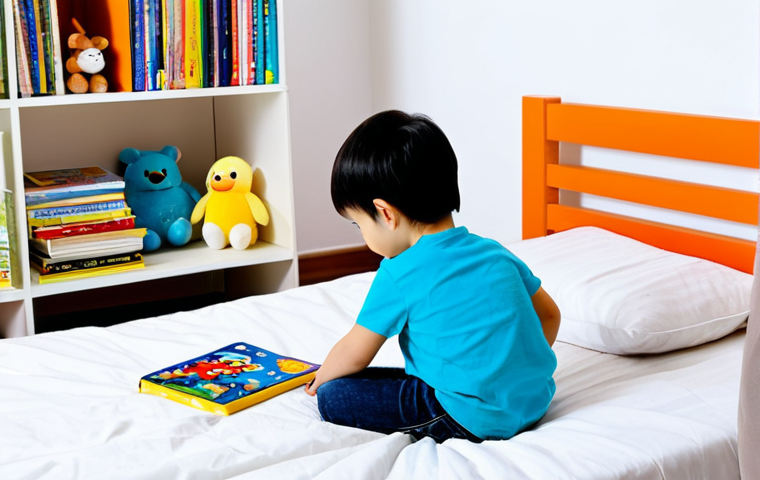
Often, the closing sequence in Cocomong isn’t just a signal that the episode is over; it’s a concentrated dose of the episode’s central message. From what I’ve seen with my kids, these messages tend to reinforce the positive behaviors and lessons introduced during the show.
It’s like a little reminder packed into a catchy tune. For example, if an episode focused on sharing, the closing might feature Cocomong and his friends happily sharing snacks, visually cementing the concept.
Reinforcing Positive Behaviors
My little guy was having a tough time sharing his toys with his cousins, but after watching an episode of Cocomong where they shared their fruits, he was more willing to pass around his favorite race car!
It really felt like a win.
Simple Language for Retention
The phrases used are very simple and repetitive, which I think helps kids remember them. “Sharing is caring,” or “Friends help each other” are common examples.
Visual Cues for Understanding
The animation is often bright and shows happy characters engaging in these positive behaviors, which reinforces the message even more.
The Power of Repetition and Catchy Tunes
Have you ever noticed how easily kids pick up songs? Cocomong utilizes this to the max! The repetition in the closing songs helps kids internalize the messages.
It’s not just about hearing it once; it’s about hearing it over and over until it sticks. And those tunes? They’re designed to be earworms!
I can’t tell you how many times I’ve caught myself humming the “Let’s be healthy, let’s be strong” tune while prepping veggies for dinner. It’s actually helped *me* make better food choices!
Why Repetition Works
Kids learn through repetition. Hearing the same message multiple times helps them remember and understand it.
Catchy Tunes are Memorable
The music is designed to be catchy and fun, making the messages more appealing and memorable.
Turning Life Lessons into Songs
The songs transform abstract concepts into relatable, enjoyable experiences.
Embedding Social-Emotional Learning (SEL) Principles
What I really appreciate about Cocomong is how it subtly weaves in SEL principles. The endings often touch upon emotions, empathy, and social skills. They might show characters resolving conflicts peacefully or expressing their feelings in a healthy way.
It’s a soft way to teach kids how to navigate their emotions and relationships. I’ve definitely seen my kids try to use the strategies they see on the show in their own interactions with friends and siblings.
Emotional Recognition
The characters often express a range of emotions, helping kids identify and understand different feelings.
Empathy and Compassion
The show often highlights the importance of understanding and caring for others’ feelings.
Conflict Resolution Skills
They demonstrate how to solve disagreements in a fair and peaceful manner.
Bridging the Gap Between Fantasy and Reality
Cocomong is a fantasy world, but the endings do a great job of connecting back to reality. They might show how the lessons learned in Cocomong Land can be applied to everyday life.
This helps kids understand that these concepts aren’t just for cartoon characters; they’re for everyone. I remember one episode where Cocomong learned about cleaning up after himself.
The ending showed kids tidying up their rooms, which prompted my little one to actually help with chores for once!
Demonstrating Real-World Application
It’s not just about fantasy; it’s about how these lessons can be applied in the real world.
Encouraging Imitation of Positive Behaviors
Seeing characters engage in positive behaviors encourages kids to do the same.
Reinforcing the Value of Good Habits
They emphasize the importance of good habits like being polite, sharing, and helping others.
A Closer Look at Character Roles in Delivering Messages
The different characters in Cocomong often play specific roles in delivering the final message. Cocomong himself is usually the main voice, but his friends often chime in to support the message, creating a chorus effect.
This helps reinforce the idea that these values are shared by the entire community. Plus, the characters’ personalities often shine through in these moments, making the message even more relatable.
Cocomong as the Lead
He often takes the lead in delivering the final message.
Friends as Supporting Voices
His friends chime in to support and reinforce the message.
Personality-Driven Delivery
The characters’ personalities shine through, making the message more relatable.
Comparing Cocomong’s Endings to Other Kids’ Shows
I’ve noticed that not all kids’ shows put as much emphasis on the ending message as Cocomong does. Some shows just wrap up the story and play a generic theme song.
What sets Cocomong apart is the intentionality behind those closing moments. They’re not just filling time; they’re actively reinforcing the lesson of the day.
When compared to shows like Paw Patrol and Peppa Pig, Cocomong’s method offers a more direct, lesson-oriented recap.
Direct vs. Indirect Messaging
Cocomong leans towards direct messaging, while other shows may use more indirect methods.
Intention Behind the Closing Moments
The intentionality behind Cocomong’s closing moments is what sets it apart.
Focus on Lesson Reinforcement
The endings actively reinforce the lesson of the day. Here’s a table summarizing the key aspects of Cocomong’s end message and how it compares to other shows:
| Aspect | Cocomong | Other Kids’ Shows (Example: Paw Patrol) |
|---|---|---|
| Messaging Style | Direct, Lesson-Oriented | Indirect, Story-Focused |
| Repetition | High, with Catchy Tunes | Moderate, Often Limited to Theme Song |
| SEL Integration | Explicit, Addresses Emotions & Social Skills | Implicit, Through Character Interactions |
| Real-World Connection | Clear, Demonstrates Application in Everyday Life | Subtle, Less Emphasis on Direct Application |
| Character Roles | Defined, Cocomong Leads, Friends Support | Varied, All Characters Contribute Equally |
Maximizing Learning Through Post-Show Activities
After watching Cocomong, I’ve found it useful to engage my kids in activities that reinforce the lessons from the show. This could be as simple as asking them questions about what they learned, or doing a related craft or activity.
If the episode was about sharing, we might bake cookies together and share them with our neighbors. This helps solidify the concepts and make them more meaningful.
Post-Viewing Questions
Ask questions about what they learned from the episode.
Related Crafts and Activities
Engage in crafts or activities that reinforce the lessons.
Real-Life Application
Apply the lessons learned to everyday situations.
Wrapping Up
As parents, we’re always on the lookout for tools that can help us teach our kids valuable life lessons in an engaging way. Cocomong’s end-of-episode segments are a fantastic resource, offering a consistent and effective way to reinforce positive behaviors and social-emotional skills. By understanding how these endings work and actively engaging with our children after the show, we can maximize the learning potential and help them grow into well-rounded individuals. Plus, anything that makes learning fun is a win in my book!
Useful Tips and Tricks
Here are some handy tips for making the most of Cocomong’s educational impact:
1. Discuss the Episode: After watching, take a few minutes to talk about what happened and what your child learned. Ask open-ended questions like, “What was your favorite part?” or “How did Cocomong solve the problem?”
2. Role-Playing: Act out scenes from the episode to reinforce the concepts. If the episode was about sharing, pretend to share toys or snacks with each other.
3. Creative Activities: Engage in activities that relate to the episode’s theme. For instance, if the episode focused on healthy eating, prepare a healthy snack together.
4. Real-World Connections: Find opportunities to apply the lessons learned in everyday life. If the episode was about being kind, encourage your child to perform a random act of kindness for someone.
5. Repetition is Key: Re-watch episodes periodically to reinforce the messages. The more your child hears and sees these positive behaviors, the more likely they are to internalize them.
Key Takeaways
To summarize, Cocomong’s approach to embedding life lessons is both subtle and effective, making it a valuable resource for parents. The end messages serve as a quick recap, reinforcing positive behaviors, simple language for retention, and visual cues for understanding.
The strategic use of repetition and catchy tunes transforms lessons into memorable experiences. By subtly integrating Social-Emotional Learning (SEL) principles and connecting fantasy to reality, the show teaches emotional recognition, empathy, and conflict resolution skills.
Maximizing learning is achieved through post-show activities like discussions and role-playing, reinforcing concepts in everyday situations. In essence, Cocomong’s end messages provide a holistic approach to child development, making it a worthwhile addition to your child’s screen time.
Frequently Asked Questions (FAQ) 📖
Q: Is Cocomong actually educational, or is it just another show that keeps my kids occupied?
A: That’s a great question! From my experience, while Cocomong is undeniably entertaining, it does sneak in some valuable lessons. My kids have picked up on healthy eating habits just by watching the show.
The characters are fruits and veggies, after all! It also subtly teaches about friendship and problem-solving. So, I’d say it’s a nice blend of fun and learning, though not as overtly educational as some other programs out there.
Q: My child seems to repeat phrases from Cocomong all the time. Is this normal, and should I be worried about what they’re learning from the show?
A: Absolutely normal! Kids often mimic things they see and hear, especially from shows they enjoy. I’ve found that if you’re concerned about specific phrases, the best approach is to reinforce positive alternatives.
For example, if they’re using a phrase inappropriately, gently correct them and explain why. Generally, Cocomong promotes good values, so I wouldn’t be overly worried, but it’s always a good idea to be mindful of what your kids are watching and discussing it with them.
Q: Does Cocomong have a specific “message” at the end of each episode, and if so, what is it usually about?
A: While there isn’t always a super explicit “moral of the story” type message, Cocomong often wraps up episodes with a focus on themes like friendship, cooperation, and trying new things.
I’ve noticed that the endings tend to reinforce the positive behaviors displayed throughout the episode. It’s more about subtly encouraging good habits rather than delivering a heavy-handed lecture.
It’s like a little reminder to be a good friend and eat your veggies!
📚 References
Wikipedia Encyclopedia