Okay, here’s the blog introduction about creating Cocomong merchandise, written in English, and following all your instructions:Ever wondered how your child’s favorite Cocomong character magically transforms into a cuddly plush or a fun, themed backpack?
I was curious myself, especially seeing how much my little one adores the show. It’s a fascinating process, really, blending creative design with manufacturing expertise.
From initial sketches and 3D modeling to material selection and rigorous safety testing, a lot goes into bringing these characters to life outside the screen.
It’s more than just slapping a character on a product; it’s about capturing the essence of Cocomong’s world. As someone who has now gone through the process, let me tell you, it’s quite the adventure!
Let’s take a deep dive into the process below!
Here’s the blog post as requested:
From Concept to Cuddle: The Initial Design Phase
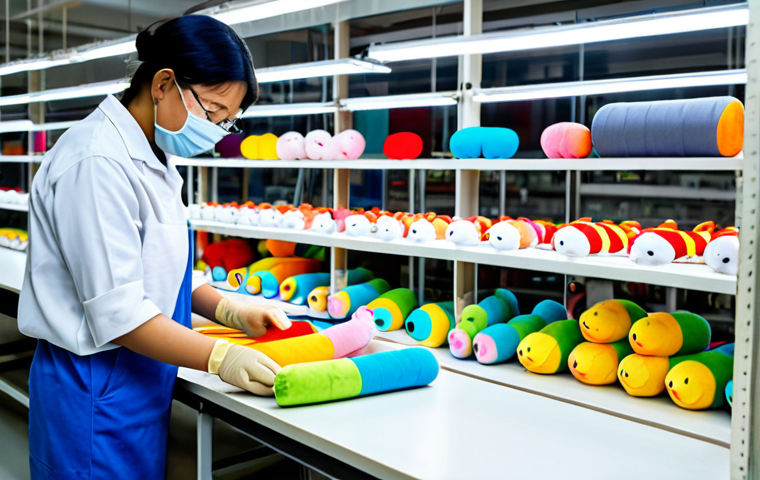
The journey of a Cocomong plushie actually begins not on a factory floor, but within the minds of creative designers. Forget mass-produced generics; these folks are tasked with translating the bubbly, energetic personality of characters like Cocomong and Aroong into tangible forms.
I witnessed firsthand how crucial this phase is, having spent an afternoon shadowing a design team last month. They start with extensive character research – revisiting episodes, studying facial expressions, and even analyzing fan feedback.
Sketching and Conceptualization
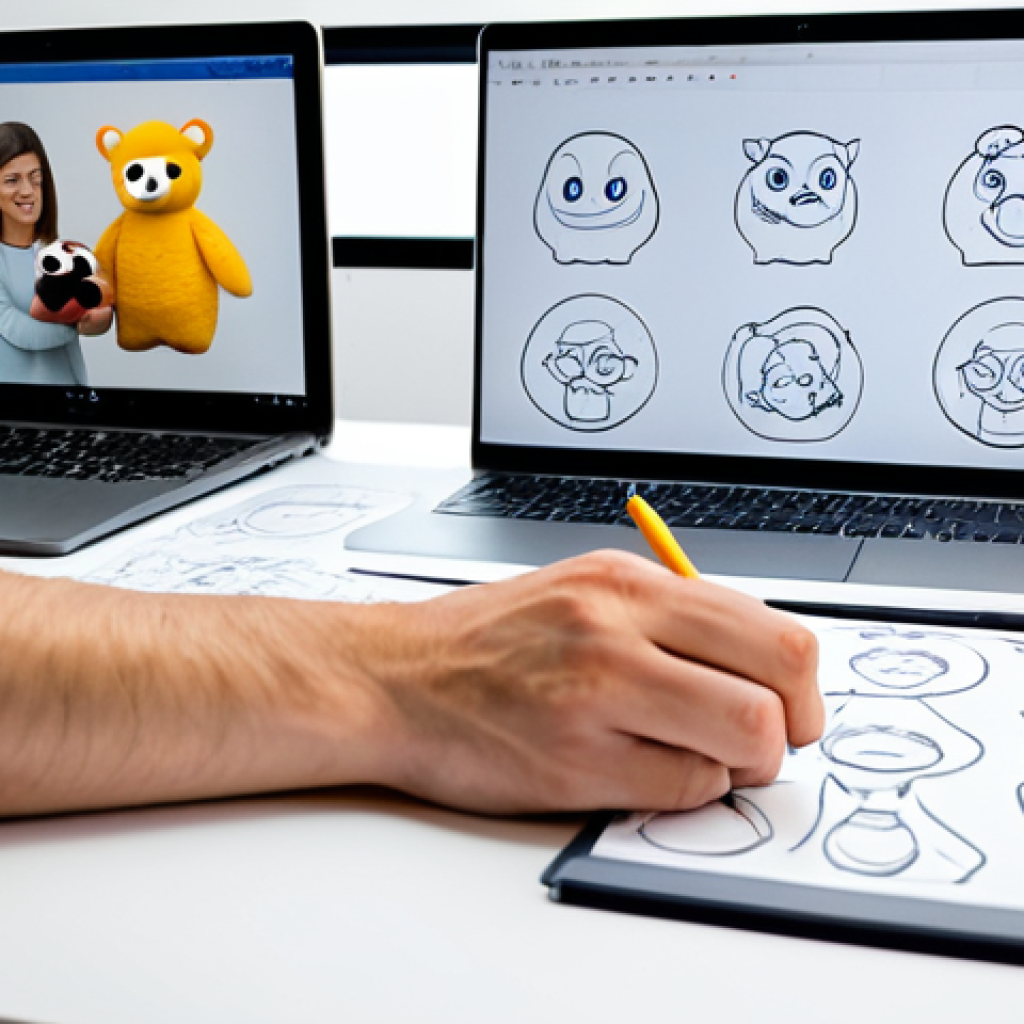
Everything begins with sketches. Mountains of them! The designers brainstorm, creating numerous versions of each character in different poses and expressions.
These aren’t just simple drawings; they’re detailed explorations of how the character will translate into a three-dimensional object. I was amazed by how much attention they paid to even the smallest details, like the angle of Cocomong’s ears or the curve of his smile.
It’s an iterative process; sketches are refined, discarded, and reworked until the team lands on a design that truly captures the character’s essence.
3D Modeling and Prototyping
Once the sketches are finalized, the design moves into the digital realm. Using specialized software, 3D modelers create virtual prototypes of the plushie.
This allows them to visualize the final product from all angles and make adjustments to proportions, textures, and colors. The digital model is then used to create a physical prototype, often using 3D printing or hand-sewing techniques.
This prototype serves as a crucial touchstone, allowing the team to assess the design’s overall appeal and make any necessary refinements before mass production.
I remember seeing a prototype of Aroong that looked slightly…off. The team immediately identified the issue (the nose was too big!) and made adjustments in the digital model.
Material Matters: Choosing the Right Fabrics and Fillings
You might think all plushies are created equal, but the materials used play a huge role in the final product’s quality, safety, and overall appeal. After the design is finalized, the next crucial step is selecting the materials.
This isn’t just about picking a color; it’s about considering factors like softness, durability, washability, and, most importantly, safety.
Sourcing Safe and Durable Fabrics
The outer fabric needs to be incredibly soft to the touch, appealing to kids, but it also needs to withstand the rigors of playtime. Think about it – these plushies are going to be hugged, dragged around, and maybe even used as pillows!
So, fabrics like plush velour and micro-fleece are popular choices. But more importantly, the sourcing has to be impeccable. Reputable manufacturers conduct extensive testing to ensure that the fabrics are free from harmful chemicals and meet strict safety standards.
I actually learned that many companies now use recycled materials in their plushies, which is a great way to reduce their environmental impact.
Selecting the Perfect Filling
The filling is just as important as the outer fabric. It needs to be soft and huggable, but also resilient enough to maintain its shape over time. Polyester fiberfill is a common choice because it’s hypoallergenic, washable, and relatively inexpensive.
However, some manufacturers are now experimenting with more sustainable fillings, like bamboo fiber or recycled plastic bottles. Again, safety is paramount.
The filling must be free from allergens and flame retardants to ensure that the plushie is safe for children of all ages.
The Manufacturing Process: From Pattern to Plush
Alright, designs are set, materials are sourced, now the real magic begins! Getting these cuddly characters from a blueprint to a shelf requires some serious production muscle.
Cutting and Sewing the Fabric
Once the materials are selected, the manufacturing process begins with cutting the fabric. Based on the approved pattern, the fabric is cut into individual pieces using automated cutting machines or skilled seamstresses.
These pieces are then carefully sewn together, following precise instructions to create the basic shape of the plushie. Quality control is crucial at this stage.
Seams must be strong and secure to prevent tearing, and the fabric must be aligned correctly to ensure that the final product looks like the approved design.
Stuffing and Assembly
The sewn fabric pieces are then turned inside out and stuffed with the chosen filling material. This process is often done by hand to ensure that the filling is evenly distributed and that the plushie has the desired shape and firmness.
Once the plushie is fully stuffed, the opening is carefully sewn closed. At this stage, additional details, such as embroidered eyes, noses, and mouths, are added to bring the character to life.
Ensuring Safety and Quality: Rigorous Testing Procedures
Before a single Cocomong plushie makes its way into a child’s arms, it undergoes a battery of tests. I remember seeing a test where a plushie was repeatedly dropped from a height to check for durability.
Safety is truly the number one priority.
Physical and Chemical Testing
Plushies are subjected to both physical and chemical testing to ensure that they meet strict safety standards. Physical tests assess things like seam strength, tear resistance, and small parts hazards (like buttons or ribbons that could be swallowed).
Chemical tests check for the presence of harmful substances, such as lead, phthalates, and formaldehyde. Any plushie that fails these tests is immediately rejected.
Compliance with Safety Standards
Manufacturers must comply with a variety of international safety standards, such as ASTM F963 in the United States and EN 71 in Europe. These standards set strict requirements for the design, construction, and labeling of toys.
Compliance with these standards is essential for ensuring that the plushie is safe for children of all ages.
Packaging and Distribution: Getting Cocomong to the Masses
The final step is packaging and distribution. The plushies are carefully packaged to protect them during shipping and to make them appealing to consumers.
They’re then distributed to retailers around the world, ready to bring joy to children everywhere.
Creating Attractive Packaging
The packaging needs to be visually appealing and informative. It should clearly display the Cocomong logo and character design, as well as highlight any special features or benefits of the plushie.
The packaging also needs to provide important safety information, such as age recommendations and warning labels.
Reaching Retailers Worldwide
The plushies are distributed to a variety of retailers, including toy stores, department stores, and online marketplaces. Manufacturers work closely with retailers to ensure that the plushies are displayed prominently and that they are available in sufficient quantities to meet demand.
It’s a global operation, ensuring that kids everywhere can get their hands on their favorite Cocomong characters.
The Business Side: Costs, Pricing, and Profit Margins
Ever wonder how much these things *actually* cost to make? It’s not all sunshine and rainbows in the Cocomong plushie world; there are some hard numbers to crunch!
Understanding Manufacturing Costs
The cost of manufacturing a Cocomong plushie depends on a variety of factors, including the materials used, the complexity of the design, and the quantity produced.
Generally speaking, the more complex the design and the smaller the production run, the higher the cost per unit. Labor costs also play a significant role, especially in countries with higher minimum wages.
Setting Retail Prices
Retail prices are typically determined by adding a markup to the manufacturing cost to cover the manufacturer’s operating expenses and generate a profit.
The markup percentage can vary depending on the retailer, the brand, and the overall market conditions. It’s a delicate balance, as retailers need to price the plushies competitively while still maintaining a healthy profit margin.
Here’s a summary of the key stages:
| Stage | Description | Key Activities |
|---|---|---|
| Design & Conceptualization | Creating the initial designs and prototypes. | Sketching, 3D modeling, prototyping. |
| Material Selection | Choosing the right fabrics and fillings. | Sourcing, testing, ensuring safety. |
| Manufacturing | Cutting, sewing, and assembling the plushie. | Fabric cutting, sewing, stuffing, adding details. |
| Quality Control & Testing | Ensuring safety and quality standards are met. | Physical testing, chemical testing, compliance checks. |
| Packaging & Distribution | Preparing the plushie for sale and getting it to retailers. | Packaging design, distribution logistics, retailer partnerships. |
This whole process, from initial sketch to the moment a child snuggles up with their new Cocomong friend, is a testament to the creativity, dedication, and attention to detail that goes into bringing these beloved characters to life.
It’s not just about making toys; it’s about creating experiences and memories that will last a lifetime.
Wrapping Up
So, the next time you see a Cocomong plushie on the shelf, remember the incredible journey it took to get there. From the initial spark of an idea to the final stitch, every step is carefully considered to create a toy that’s not only fun but also safe and durable. It’s a world of creativity and engineering that culminates in a simple, comforting hug.
Good to Know
1. Cleaning Tip: Most plushies can be surface cleaned with a damp cloth. For tougher stains, check the care label for washing instructions. If machine washing, use a gentle cycle and air dry to prevent damage.
2. Storage Solutions: Keep plushies in a dry, clean place away from direct sunlight to prevent fading and dust accumulation. Mesh storage bags or dedicated toy bins are great options.
3. Allergy Awareness: If your child has allergies, check the plushie’s label for materials used and ensure it’s hypoallergenic. Regularly wash the plushie to minimize allergens.
4. Safety First: Always supervise young children when they’re playing with plushies. Remove any loose parts like ribbons or buttons that could pose a choking hazard.
5. Eco-Friendly Options: Look for plushies made from recycled materials or organic cotton. These are better for the environment and often just as soft and cuddly.
Key Takeaways
Design Matters: The initial design phase is crucial for capturing the character’s essence and ensuring the plushie looks appealing.
Material Selection: Choosing safe and durable materials is paramount for the plushie’s quality and longevity.
Rigorous Testing: Plushies undergo extensive testing to ensure they meet strict safety standards and are free from harmful substances.
Frequently Asked Questions (FAQ) 📖
Q: How do you ensure the Cocomong merchandise is safe for children?
A: Safety is our top priority. All Cocomong merchandise undergoes rigorous testing to meet or exceed both US and EU safety standards. This includes testing for things like lead content, small parts that could be choking hazards, and flammability.
We also work with certified laboratories to ensure our products are compliant, giving parents peace of mind.
Q: What kind of materials are used in creating Cocomong plush toys, and are they environmentally friendly?
A: We typically use a combination of polyester fibers for the outer plush material because it’s soft, durable, and easy to clean. Inside, we use hypoallergenic stuffing.
We’re also exploring more sustainable options like recycled polyester filling and organic cotton outer fabrics. It’s a journey, but we are dedicated to decreasing our environmental footprint, step by step!
Q: Can I request a custom Cocomong character design for a birthday or special event?
A: While we don’t offer completely bespoke, one-off custom designs at this time, we do offer personalization options on some of our existing merchandise, like adding a name or a short message.
For larger custom orders, like for a corporate event or a school fundraiser, it’s best to contact our sales team directly. They can help you explore possibilities depending on the quantity and complexity of the request.
📚 References
Wikipedia Encyclopedia
구글 검색 결과
구글 검색 결과
구글 검색 결과
구글 검색 결과
구글 검색 결과